Table of Contents
Are adolescent psychiatric medications over-prescribed? Mental health concerns among young people have risen dramatically over the past two decades. Anxiety, depression, attention-deficit/hyperactivity disorder (ADHD), behavioral disorders, and other emotional difficulties are increasingly recognized and diagnosed. As a result, the use of adolescent psychiatric medications has become commonplace in schools, pediatric clinics, and mental health settings across the United States.
While psychiatric medications can be beneficial for some young people, their growing prevalence raises important questions. Are medications being prescribed too quickly? Are we adequately addressing underlying causes of emotional distress? And what do we really know about the long-term effects of these medications on developing brains?
At the Mindful Ecotherapy Center (https://mindfulecotherapycenter.com), we believe these questions deserve thoughtful discussion.
Why Are Adolescent Psychiatric Medications So Common?
Several factors have contributed to the rise in adolescent psychiatric medications. Greater awareness of mental health conditions has led more parents, teachers, and healthcare providers to seek help when a child is struggling. In many cases, this increased recognition has helped young people receive support that they might otherwise have missed.
At the same time, modern adolescents face significant stressors. Social media pressures, academic demands, family instability, economic uncertainty, reduced time in nature, sleep disruption, and excessive screen exposure may all contribute to emotional difficulties. Some researchers have suggested that environmental and lifestyle factors play a substantial role in the current youth mental health crisis.
Another factor is accessibility. Medication can often be prescribed more quickly than psychotherapy can be arranged. In healthcare systems facing therapist shortages, medications sometimes become the most readily available intervention.
What Do We Know (and Not Know) About Long-Term Effects?
One of the most important considerations regarding adolescent psychiatric medications is that children and adolescents are not simply smaller adults. Their brains are undergoing rapid development involving neural pruning, emotional regulation systems, executive functioning, and social cognition.
Although many psychiatric medications have been studied in young people, researchers continue to investigate their long-term effects on developing brains. Some medications have strong evidence supporting their use for specific conditions, while others are prescribed “off-label,” meaning they have not received FDA approval for that particular pediatric use. (aacap-pac.com)
This uncertainty does not necessarily mean medications are unsafe. It does mean that clinicians, parents, and adolescents should carefully weigh potential benefits against potential risks and maintain ongoing monitoring throughout treatment.
The Risk of Treating Symptoms Without Addressing Causes
One concern frequently raised by therapists and families is that medication may reduce symptoms without addressing underlying causes of distress. A teenager experiencing anxiety, for example, may also be struggling with bullying, family conflict, trauma, social isolation, lack of physical activity, or chronic stress.
Medication may lessen symptoms, but lasting improvement often requires understanding and addressing these deeper issues.
The American Academy of Child and Adolescent Psychiatry recommends that psychiatric medications be used as part of a comprehensive treatment plan rather than as stand-alone interventions. Such plans frequently include psychotherapy, family involvement, educational support, and ongoing assessment. (staff.aacap.org)
What Should Be Done About It?
Rather than viewing adolescent psychiatric medications as either inherently good or inherently bad, a balanced approach is needed.
Psychotherapy should often be considered as a first-line intervention for mild to moderate emotional difficulties whenever appropriate. Parents should receive clear information about potential benefits, risks, alternatives, and uncertainties associated with any medication. Treatment decisions should involve collaboration among healthcare providers, parents, and adolescents themselves.
Equally important, society should invest more heavily in prevention. Young people need healthy relationships, meaningful outdoor experiences, physical activity, adequate sleep, emotional education, and supportive communities.
How Mindfulness-Based Ecotherapy Can Help
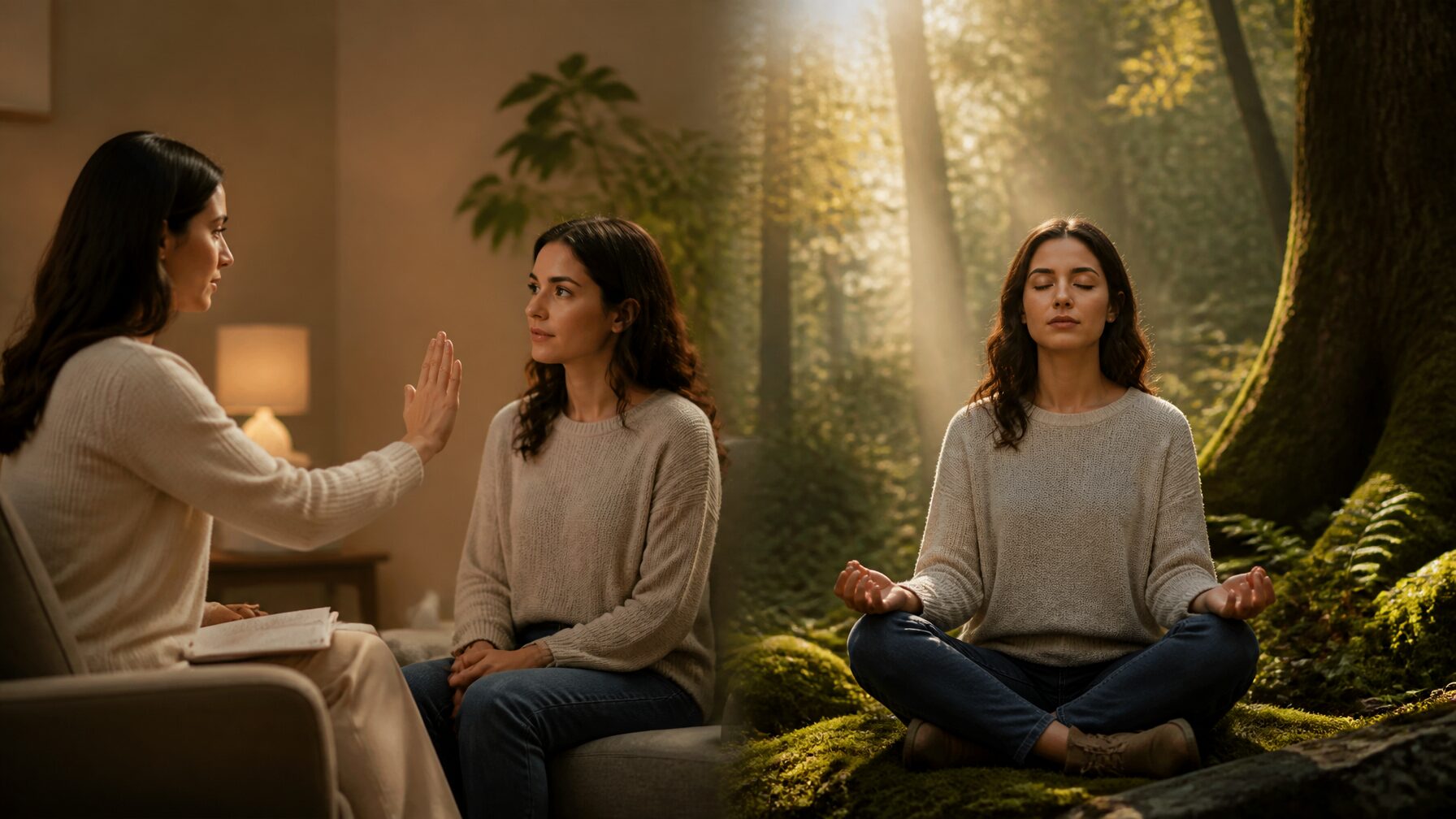
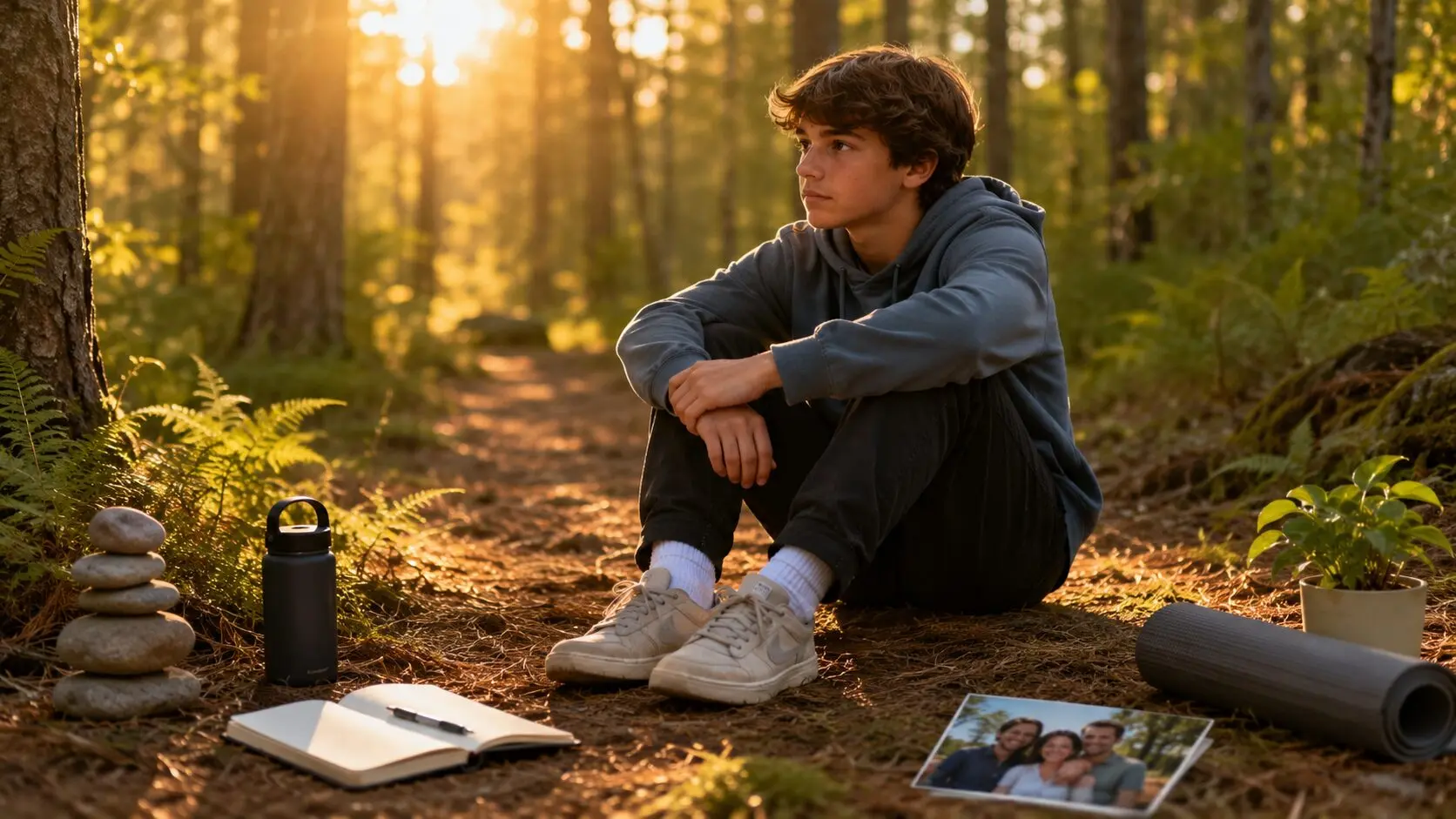
Mindfulness-Based Ecotherapy offers a complementary approach that focuses on strengthening resilience, emotional awareness, self-regulation, and connection with the natural world. Time spent in nature has been associated with reductions in stress, anxiety, and depressive symptoms, while mindfulness practices can improve emotional regulation and self-awareness.
For many adolescents, these approaches can serve as valuable components of a comprehensive mental health plan. While they are not replacements for necessary medical treatment, they may help address some of the underlying factors contributing to emotional distress.
The goal should not be to eliminate psychiatric medications. Rather, the goal should be to ensure that every young person receives the least restrictive, most effective, and most holistic care possible.
References
American Academy of Child and Adolescent Psychiatry. (2026). Psychiatric medication for children and adolescents: How medications are used. https://www.aacap.org
American Academy of Child and Adolescent Psychiatry. (2017). Psychiatric medication for children and adolescents: Types of medications. https://www.aacap.org
Creedon, T., & Dubenitz, J. (2025). U.S. population prevalence of prescription psychiatric medication use among children and adolescents, 2006–2023. U.S. Department of Health and Human Services. https://aspe.hhs.gov/reports/psychotropic-medication-among-children-adolescents
The Mindful Ecotherapy Center on YouTube
Subscribe to the Mindful Ecotherapy Center’s YouTube channel to bring peace, presence, and healing into your daily life. Our videos guide you through mindfulness-based ecotherapy practices, including forest bathing, tree planting rituals, nature meditations, and reflective exercises for grief, stress, and emotional well-being.
Whether you’re seeking to reconnect with the natural world, cultivate inner calm, or find restorative tools for personal growth, our content offers practical guidance, inspiration, and community support. Join us to explore the transformative power of nature and mindfulness, and start your journey toward balance, resilience, and deeper connection today!
Share Your Thoughts!
What do you think? Share your thoughts in the comments below! And don’t forget to subscribe to our newsletter!